BioIntelligent Stabilization:
Mycelium-Based Soil Systems for Sustainable Construction
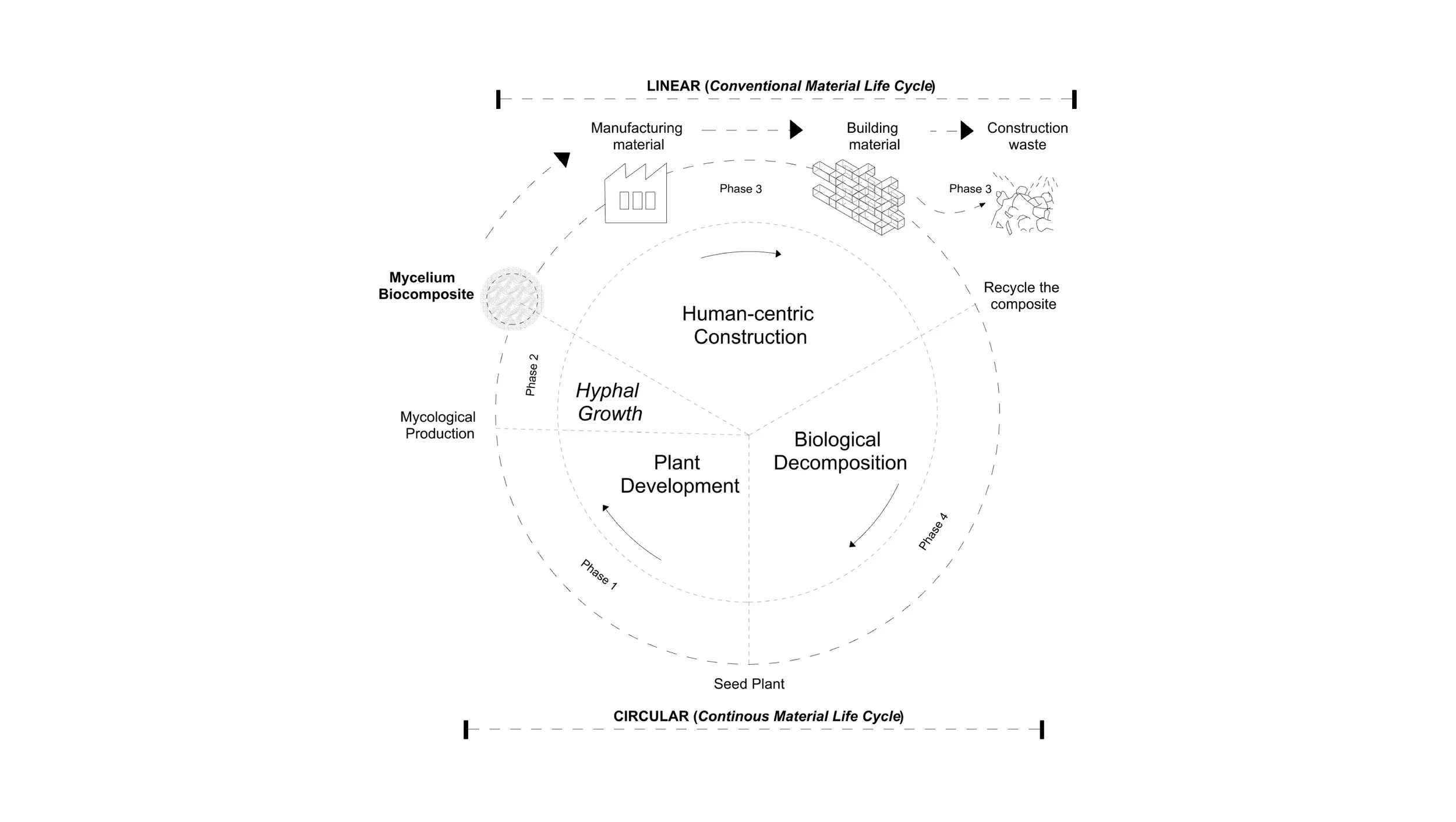
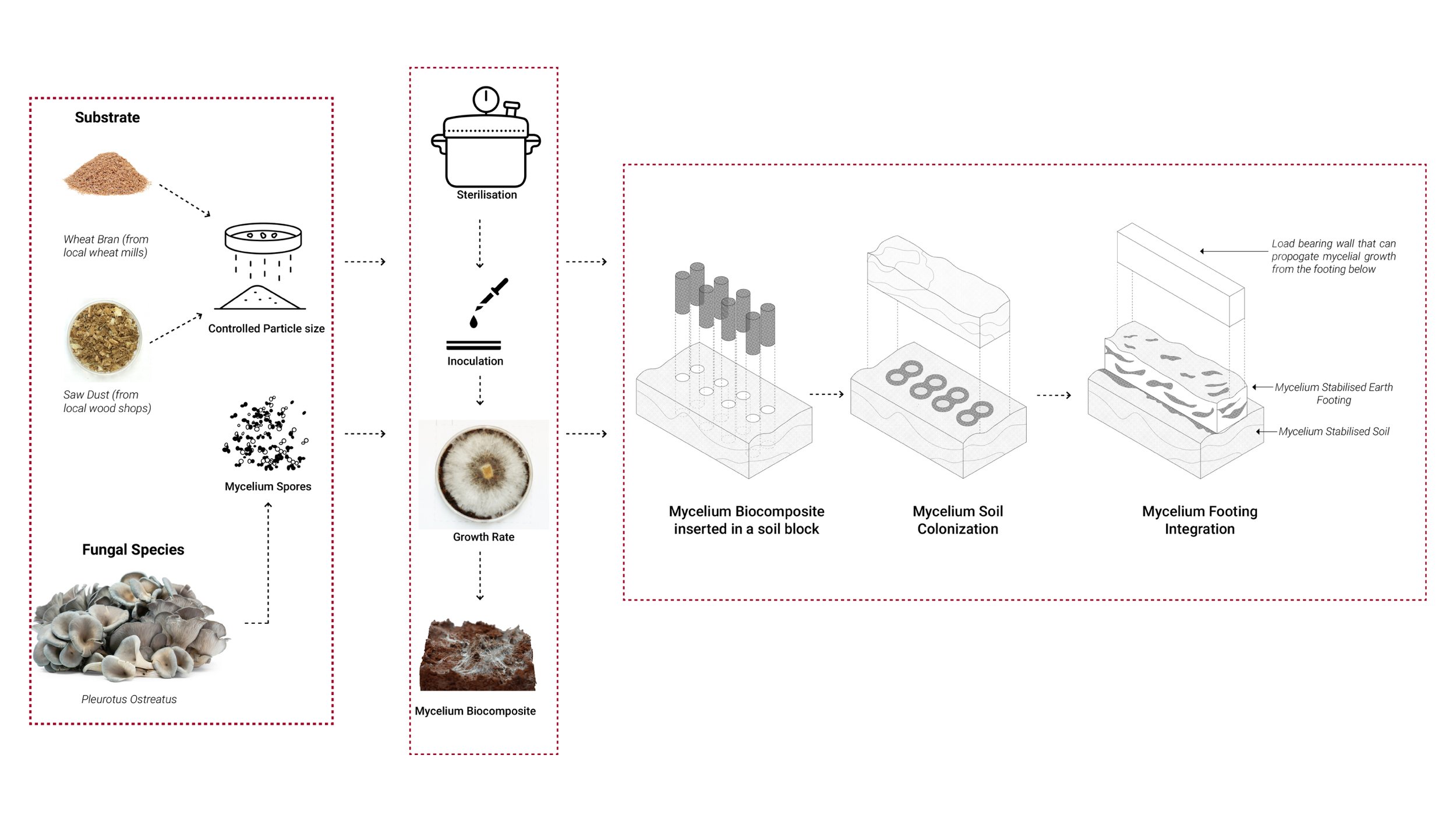
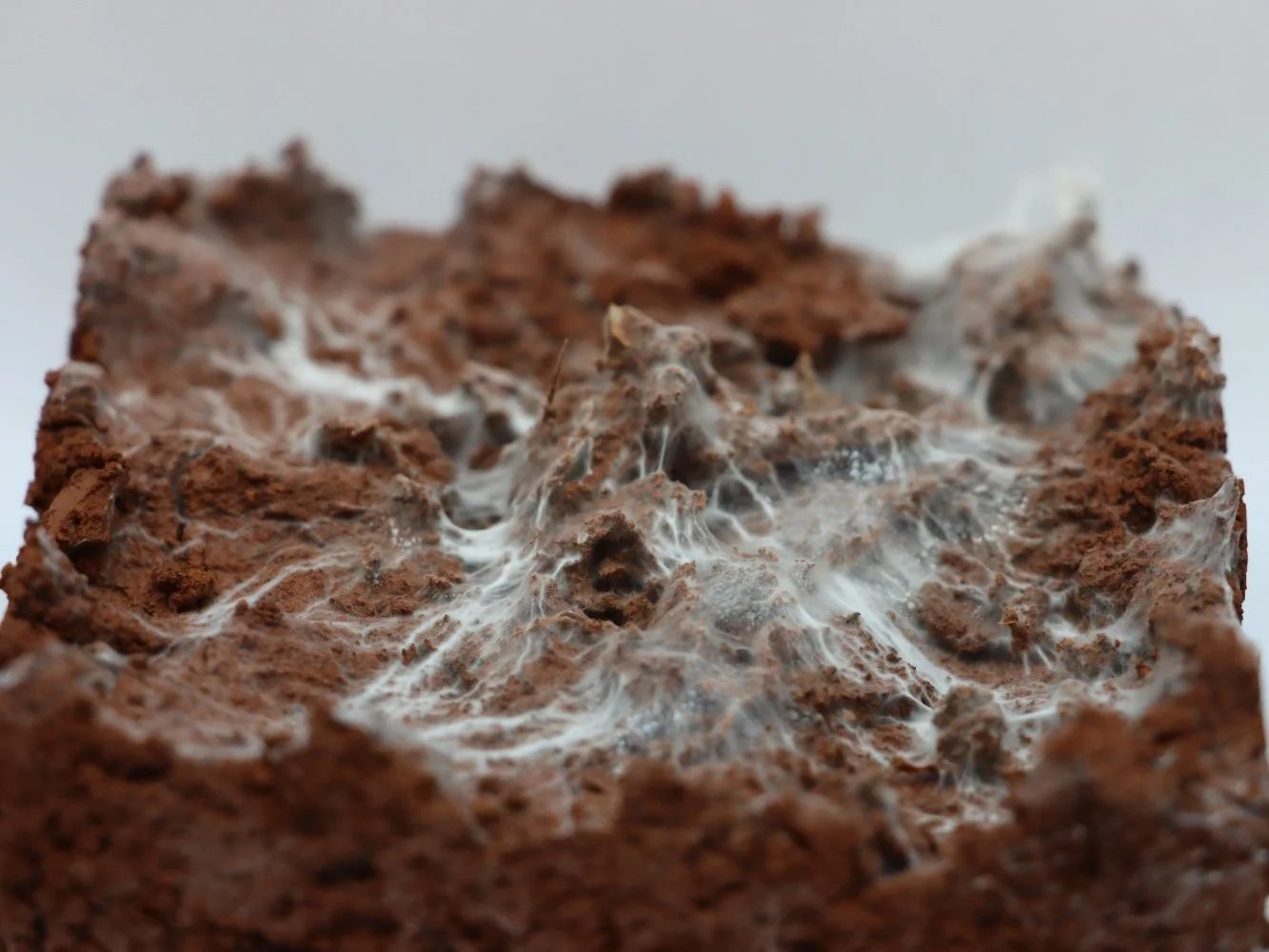
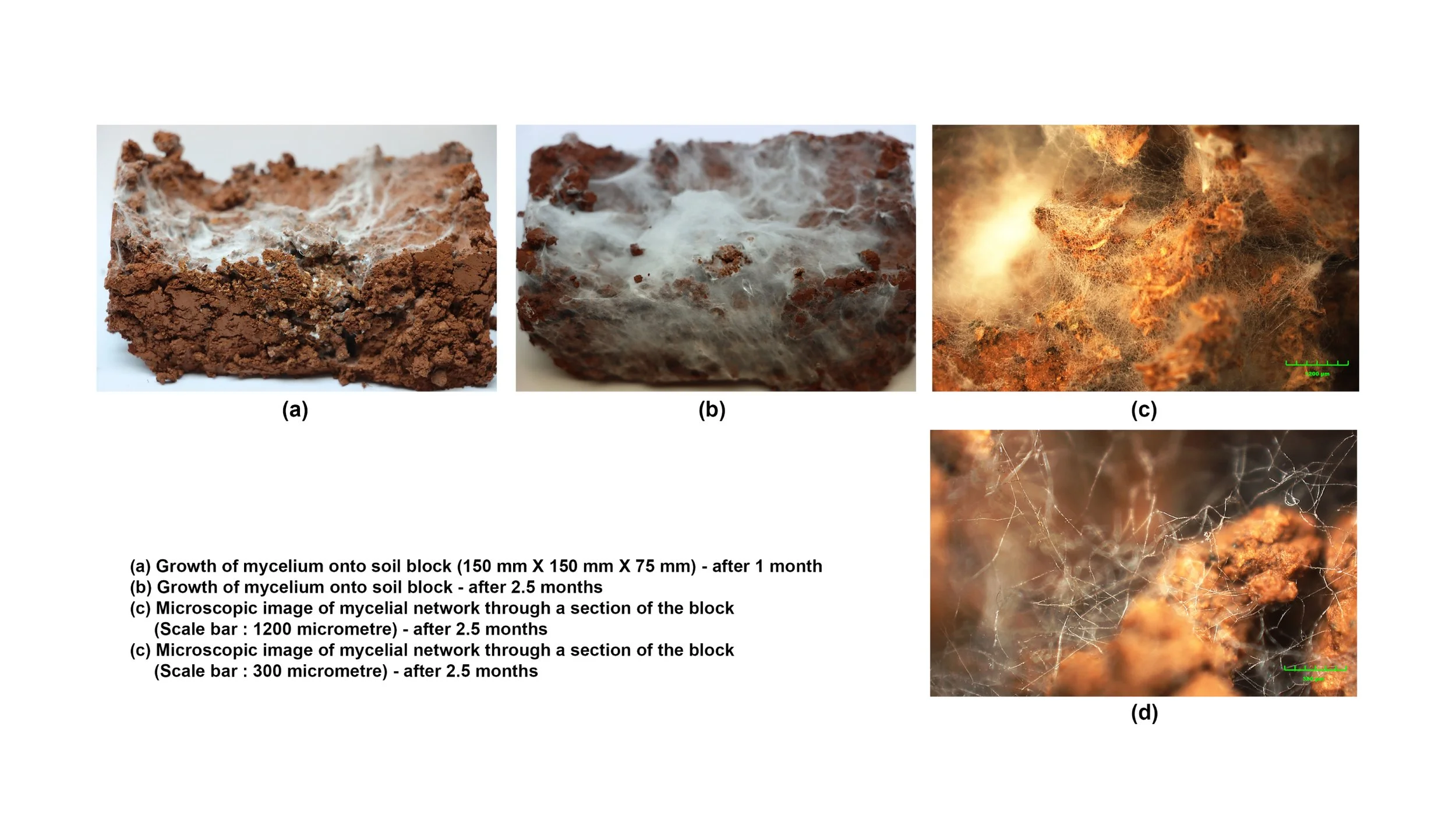
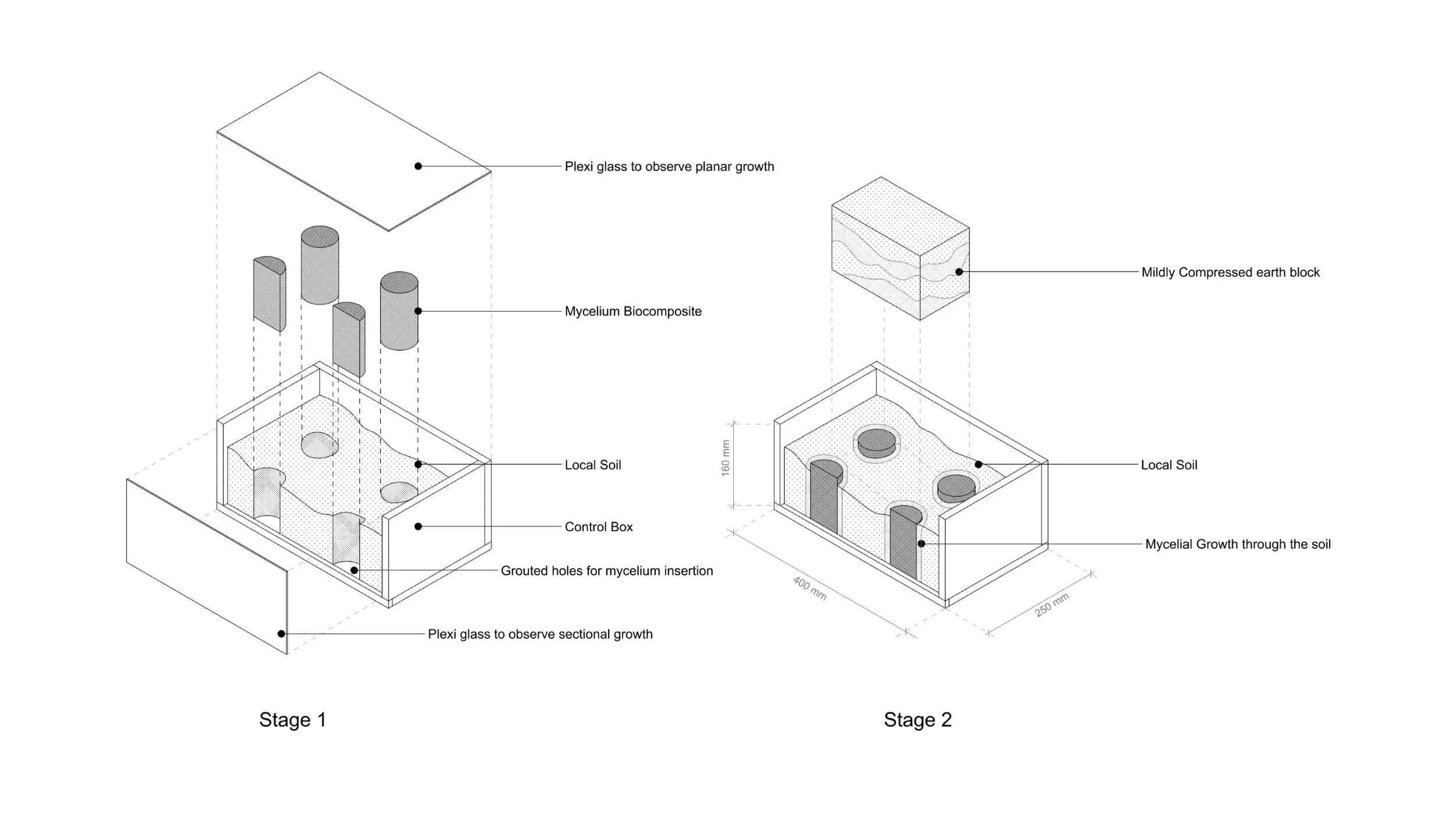
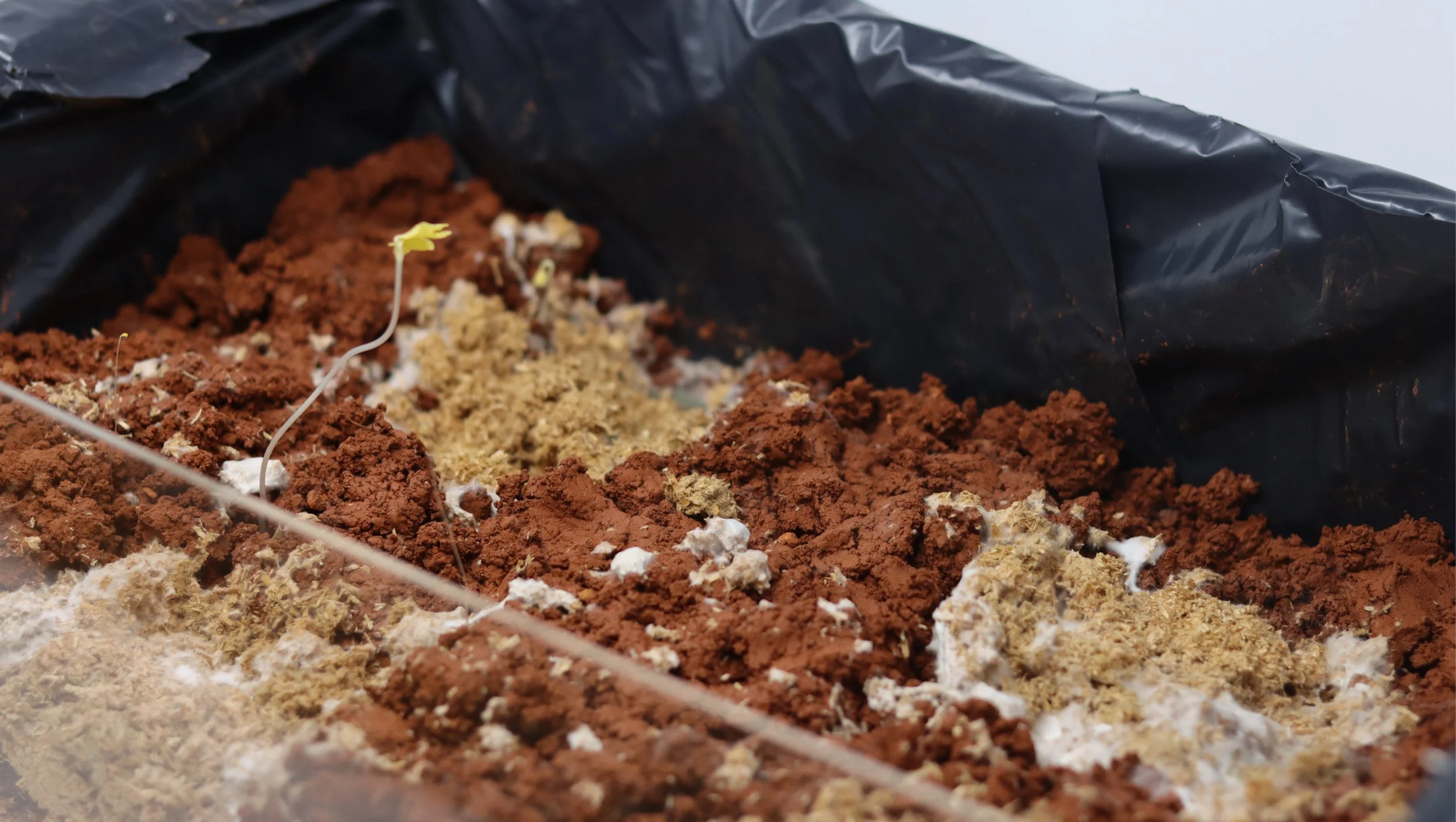
In the Anthropocene era, characterized by unprecedented urbanization and escalating environmental challenges, the construction industry faces a critical need to reassess and reinvent traditional practices that have long relied on materials contributing substantially to environmental degradation (Elhacham et al. 2020) . This paper explores the innovative use of mycelium—a naturally occurring fungal network—as a bio-stabilizer for acidic soils, particularly focusing on the overall feasibility and qualitative analysis of this approach. Mycelium, the vegetative part of fungi, forms dense and intricate networks capable of binding substrates like soil, making it an ideal candidate for biological soil stabilization (Abdullah, Shahin, and Walske 2020). Utilizing readily available organic waste materials, such as wheat bran and sawdust, this study investigates how substrates infused with mycelium can enhance soil cohesion and improve the structural integrity necessary for load-bearing foundations. Such an approach not only addresses the environmental impact of using conventional stabilizers such as cement, lime, and bitumen but also aligns with sustainable practices by repurposing agricultural by-products(Ikeagwuani and Nwonu 2019). Furthermore, the research discusses the broader implications of adopting mycelium-based technologies in construction. By reducing reliance on environmentally harmful materials and promoting the use of biological processes, mycelium-based stabilization supports the principles of a circular economy (Felix Heisel and Hebel 2022)—minimizing waste and maximizing resource efficiency. This approach not only offers a sustainable alternative to traditional methods but also fosters regenerative land management practices that enhance ecological balance and contribute to the restoration of degraded landscapes (Claudia Colmo and Ayres 2020). The objective of this study is to evaluate the compatibility and effectiveness of a specific mycelium strain (Pleurotus ostreatus) with acidic soil to enhance structural integrity and sustainability in earth-stabilized footings. Through experimental evaluations, including the observation of growth rates, colonization depth, and soil bonding, the study explores the potential of mycelium-infused substrates to improve soil cohesion and load-bearing capacity. While this study focuses on a single soil type, it establishes a framework for testing across diverse environmental conditions and soil types. The findings emphasize the ecological benefits of this approach, particularly its alignment with sustainable development goals and waste repurposing principles. By integrating mycelium into soil stabilization processes specifically for vernacular footing systems, this study advocates for a paradigm shift in construction practices, encouraging the industry to move towards more environmentally responsible solutions. Through this research, the construction industry is invited to reconsider its materials and methods, aligning more closely with sustainable development goals and the urgent need for environmental conservation.
Ipsita Datta presented her research titled “Bio-Intelligent Stabilization: Mycelium-Based Soil Systems for Sustainable Construction” on March 20, 2025, at the 113th ACSA Annual Meeting Proceedings, Repair, in New Orleans. DOI
Advanced Independent Study, School of Architecture, University of Virginia
Project credit: Ipsita Datta
Advisors: Ehsan Baharlou